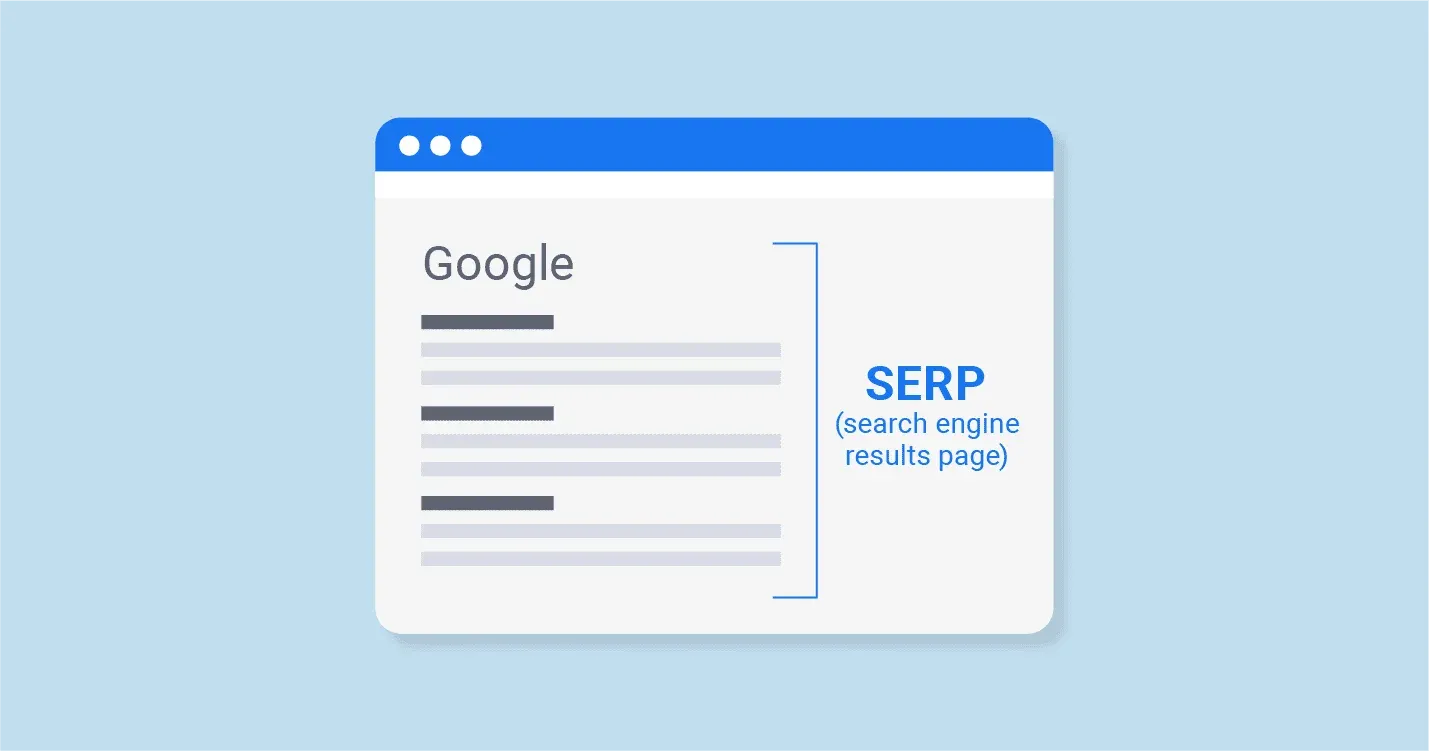
Search engines are evolving faster than at any point in the last decade.AI powered search, zero click answers, and user experience signals are transforming how websites are ranked and discovered.
In 2026, ranking high on search results will require more than backlinks and keywords.Businesses must understand what search engines reward and how search behavior continues to shift toward instant and predictive answers.
This guide breaks down what is changing across SERPs and how to stay visible in a world shaped by AI, context, and quality.
Why SERP Changes Matter More Than Ever
Search engines are no longer static indexes of web pages.They act like research assistants that analyze intent and choose the best answer, not just the best optimized page.
These changes are driven by three forces.
- Users want fast and accurate answers.
- AI systems generate responses instantly.
- Search engines want to prevent misinformation.
For brands, this means that old tactics are being replaced.SEO must be built for search experiences that prioritize relevance, credibility, and satisfaction.
Major Ranking Shifts Coming to Search in 2026
Many signals that used to be optional are now critical.Below are the areas that search engines are prioritizing.
1. Real Experience and Topical Authority
Google and AI search platforms want creators who know their field.Companies that publish shallow content will lose visibility.
Search engines now reward the following.
- Deep expertise rooted in experience
- Frequent publication on related topics
- Author identity, credentials, and social signals
- First hand guidance, not generic summaries
This means businesses must tighten their niche and build authority in one clear topic area.
2. AI Assisted Ranking and Real Time Relevance
Search platforms increasingly use AI to evaluate content context.Models detect whether a page actually solves the query.
In 2026, AI looks at:
- Whether the content matches user intent
- The journey users take after clicking
- How long visitors stay on a page
- How often users return to that site
Freshness also matters.Content that updates with current data will outrank static pages.
3. Search Generative Experience and Zero Click Visibility
SGE and AI answers will become the default result for most queries.This means websites must optimize for both:
- Featured placement inside AI responses
- Click through from follow up prompts
To show up inside AI answer boxes, content must include:
- Clear definitions
- Step by step structure
- Summaries written in natural language
- Structured facts search engines can reuse
Winning zero click moments may replace winning organic ranking positions.
4. Human Centered Content Quality
Search engines are watching how real users respond to content.Pages that frustrate readers will drop.
User experience signals include:
- Easy to scan structure
- Useful headings
- Short sentences
- Clear outcomes
- No keyword stuffing
Search algorithms watch scroll depth, bounce rate, and readability.In 2026, simplicity outranks complexity.
5. Credibility, Trust, and Verification Signals
Authority is not enough.Search engines want proof that a site can be trusted.
Trust indicators include:
- Author name and bio
- Sources and citations within the article
- Links to real company pages
- Verified business information
- Clear privacy and security policies
AI models evaluate misinformation risk before showing content to users.
6. Page Experience and Technical Health
Great content still depends on strong technical foundations.Websites must run fast and provide seamless navigation.
Core technical factors include:
- Mobile first design
- Fast loading images and code
- Secure HTTPS
- No intrusive pop ups
- Accessibility tags
- Structured data markup
Performance problems translate into ranking problems.
7. Multimedia Search and Multimodal Indexing
Search results now include more than typed text.Voice queries, video answers, and AI audio clips are increasing.
Websites should diversify content formats.
- Short explainer videos
- Audio snippets or takeaways
- Visual summaries and charts
- Structured FAQs that voice assistants can reuse
This helps pages appear in more result types across multiple devices.
8. Search Results Tailored to Personal Context
Two users searching the same phrase may see completely different results.Search engines personalize based on:
- Location
- Search history
- Age group
- Device type
- Interaction history
Success requires optimized content for multiple intent types, not just one keyword.
How Businesses Can Stay Ahead of Ranking Shifts
Winning in 2026 requires smarter SEO, not harder SEO.
Here is how brands can prepare.
Publish helpful, expert content
Invest in perspectives and insights competitors do not have.
Update pages regularly
Refresh statistics, trends, and links every quarter.
Structure pages with clarity
Use short sentences, bullets, and meaningful headings.
Target search intent, not only keywords
Cover informational, comparative, and transactional queries.
Optimize for AI answers
Write sections that search engines can pull into summaries.
Build internal linking networks
Help crawlers understand your topical relationships.
Improve conversion experience
Track what users actually need next on the page.
The Shift From Algorithm-Chasing to User Value
SEO has often been a chase to match the latest ranking factor.2026 moves the focus back where it should be.
Answering real questions.Solving user problems.Sharing knowledge that comes from experience.Presenting content clearly and responsibly.
Search engines now reward the same things humans reward.
FAQs
What is the biggest SERP change happening in 2026?
Search is shifting toward AI generated answers and away from pure link based rankings.
How can websites appear in AI answers?
Create structured, factual content with clean organization and clear takeaways that AI models can reuse.
Will backlinks still matter?
Yes, but quality will matter more than volume and links will be evaluated alongside topical authority.
Does user behavior impact ranking now?
Yes. Engagement metrics like dwell time, scrolling, and return visits influence ranking more than ever.
Should companies rewrite old pages?
Yes. Refreshing content to match new intent signals is one of the easiest ways to stay competitive.