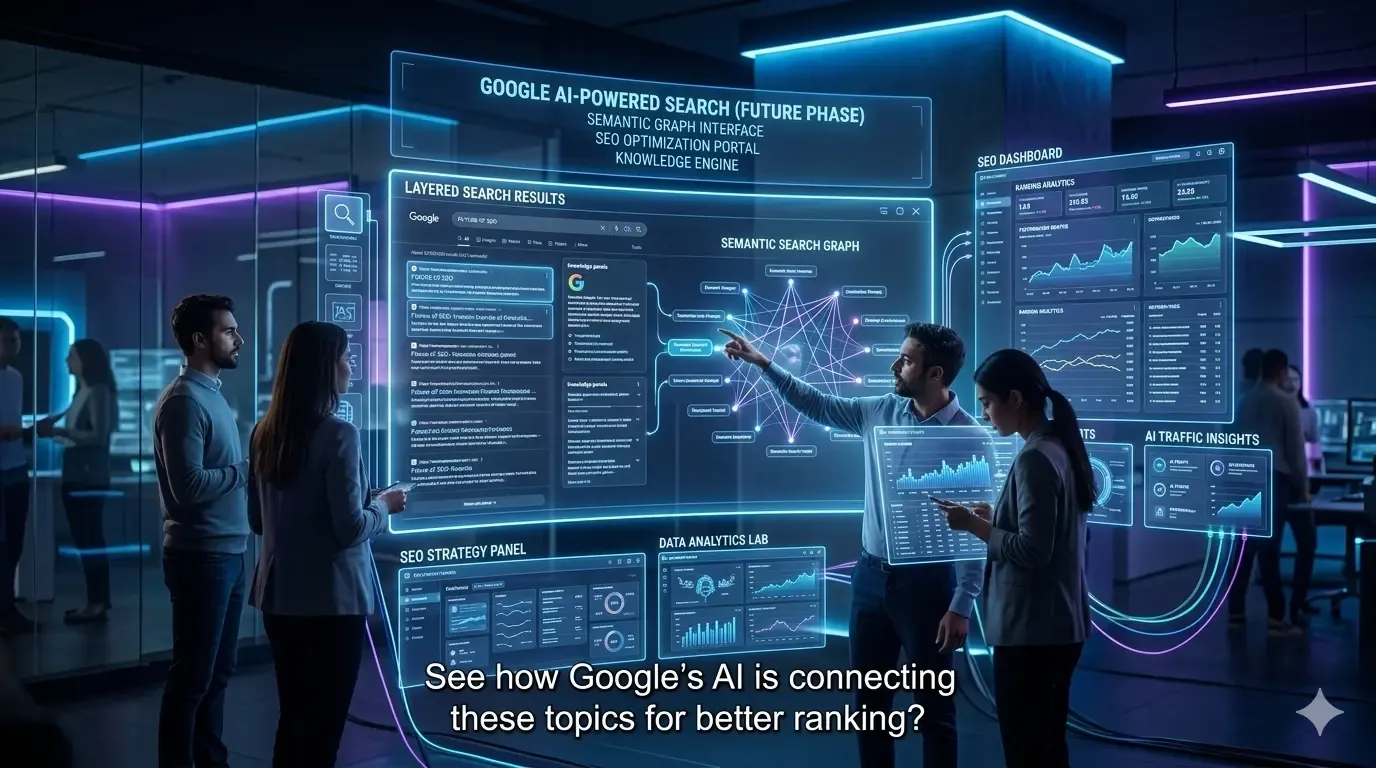
Search engine optimization is evolving rapidly. With Google introducing AI-driven search experiences, traditional ranking strategies alone are no longer enough. Businesses and marketers must now optimize content for AI-powered search results, conversational queries, and deeper topical authority.
This SEO checklist for 2026 explains the most important strategies you need to follow to rank on Google’s new AI-powered search environment. Whether you are a beginner or an experienced marketer, these steps will help you adapt to the future of search.
Understanding Google’s AI-Powered Search
Google’s search engine now uses advanced AI models to understand user intent, context, and content relevance. Instead of simply matching keywords, Google analyzes content meaning, expertise signals, and helpfulness.
AI-powered search results often include:
• AI-generated answer summaries• Enhanced knowledge panels• Contextual recommendations• Conversational search responses
Because of this shift, ranking now depends more on content quality, authority, and real user value.
1. Focus on Search Intent First
One of the most important elements in the SEO checklist for 2026 is understanding user intent.
Search queries generally fall into four categories:
• Informational searches• Navigational searches• Transactional searches• Commercial investigation
When writing content, ensure that your article directly answers the user’s main question. AI-powered search prioritizes content that clearly solves the user’s problem.
2. Optimize the First 50 Words of Content
Google’s AI models analyze the beginning of your content to understand topic relevance.
Your introduction should:
• Mention the main keyword naturally• Clearly describe the topic• Provide immediate value
Example structure:
Explain the topic in simple language and immediately tell readers what they will learn.
This improves both search understanding and user engagement.
3. Build Strong Topical Authority
Topical authority is becoming one of the strongest ranking signals.
Instead of publishing random blog posts, create clusters of related content.
Example SEO topic cluster:
Main topic: SEO strategySupporting articles:
• keyword research guide• technical SEO checklist• link building strategies• on-page SEO techniques
This structure signals expertise to Google’s AI systems.
4. Write Helpful and Human-Centered Content
Google’s helpful content system evaluates whether content genuinely benefits readers.
To meet helpful content guidelines:
• Write for humans first• Provide real insights• Avoid keyword stuffing• Use clear explanations
Helpful content tends to rank higher because it satisfies user needs.
5. Use Clear Content Structure
AI systems prefer content that is easy to analyze.
Use structured headings such as:
H1 for the article titleH2 for major sectionsH3 for detailed subtopics
Clear structure improves both user readability and search engine understanding.
6. Optimize for Conversational Search
Many users now search using natural language queries.
Examples:
Instead of searching"SEO ranking tips"
Users may ask"How can I rank on Google in 2026?"
To optimize for conversational search:
• include natural language phrases• answer questions clearly• use FAQ sections
This increases your chances of appearing in AI-generated answers.
7. Strengthen EEAT Signals
Google evaluates websites using EEAT principles:
ExperienceExpertiseAuthoritativenessTrustworthiness
Ways to improve EEAT include:
• publishing expert insights• citing reliable sources• adding author profiles• maintaining accurate information
Websites with stronger credibility signals perform better in AI-driven search.
8. Improve Page Experience
User experience remains a critical ranking factor.
Important page experience elements include:
• fast page loading speed• mobile-friendly design• easy navigation• readable typography
Better user experience leads to longer engagement and improved rankings.
9. Use Semantic SEO and Related Keywords
AI-powered search understands context through semantic relationships.
Instead of repeating the same keyword, include related terms such as:
• search engine optimization• SEO strategy• ranking factors• content optimization
Semantic keywords help search engines understand topic depth.
10. Optimize for Featured Snippets and AI Answers
Featured snippets and AI summaries often pull content from structured answers.
To improve snippet visibility:
• answer questions directly• use bullet lists• write short definition-style paragraphs
These formats are easier for AI systems to extract.
11. Add Visual Content
Images, charts, and infographics improve both engagement and content quality.
Visual elements help:
• explain complex topics• increase time on page• improve user experience
Optimizing image alt text also helps with search visibility.
12. Build High-Quality Backlinks
Backlinks still play an important role in search rankings.
However, Google now prioritizes quality over quantity.
Effective backlink strategies include:
• publishing original research• writing guest articles• creating shareable resources
Strong backlinks signal authority to search engines.
13. Update Content Regularly
Fresh content performs better in search results.
Regular updates help:
• maintain accuracy• improve relevance• strengthen topical authority
Review important articles every few months to keep them updated.
Final Thoughts
Search engine optimization in 2026 is no longer about simple keyword placement. Success depends on creating helpful, authoritative, and well-structured content that meets real user needs.
By following this SEO checklist for 2026, marketers can adapt to Google’s evolving AI-powered search environment and improve their chances of ranking higher.
Focus on quality, relevance, and user experience, and your content will remain competitive in the future of search.
FAQ
What is the most important SEO strategy for 2026?
The most important strategy is creating helpful, authoritative content that satisfies user intent and demonstrates topical expertise.
How does AI affect Google search rankings?
AI helps Google understand content context, search intent, and relevance, allowing the search engine to deliver more accurate answers.
What is topical authority in SEO?
Topical authority means publishing multiple high-quality articles around a specific subject to demonstrate expertise.
Can beginners follow an SEO checklist effectively?
Yes. Beginners can improve rankings by following clear SEO practices such as keyword research, structured content, and helpful information.