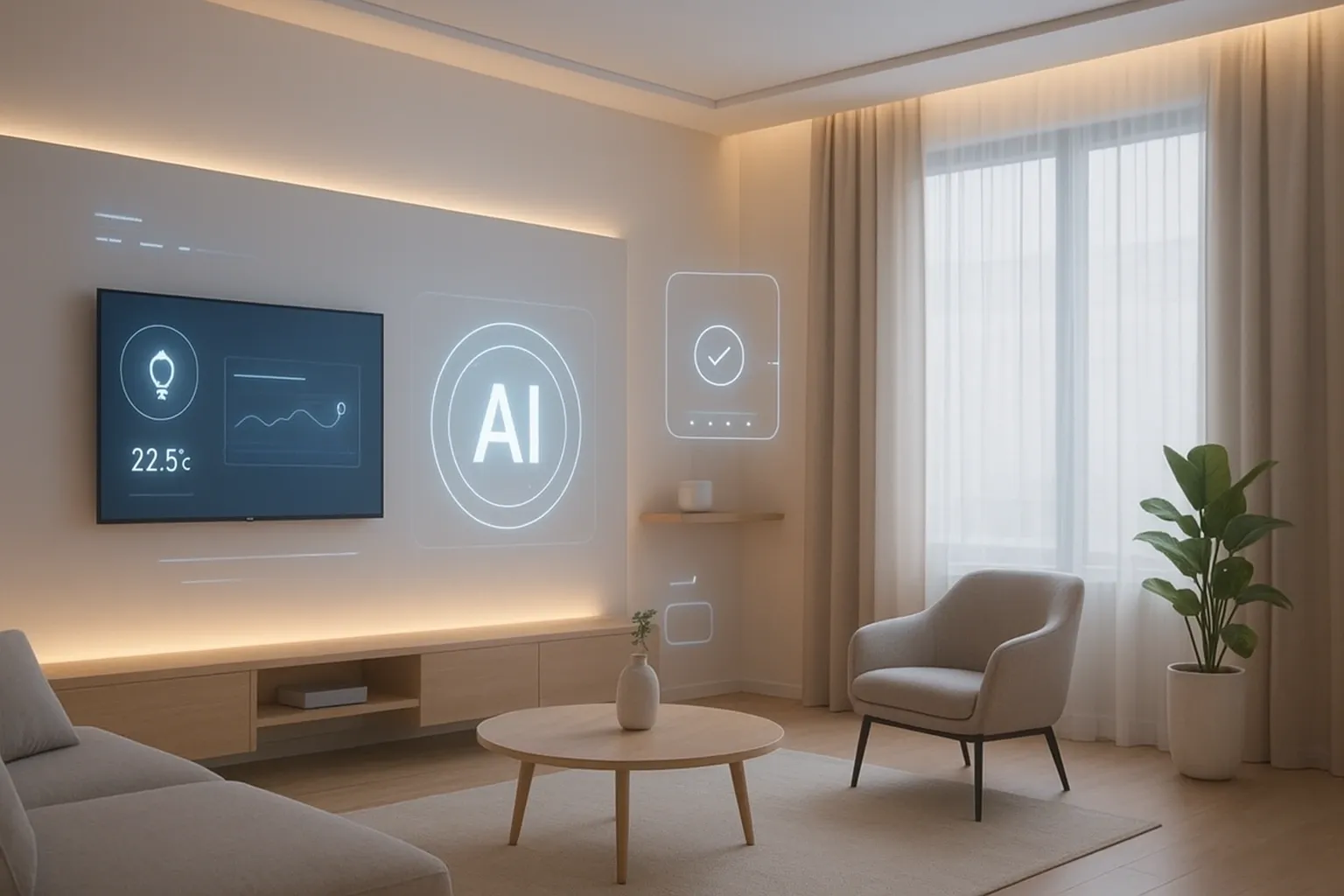
Technology is becoming more invisible. Screens, buttons, and commands are slowly giving way to environments that understand people automatically. This idea is known as ambient intelligence, a world where your surroundings sense your presence, understand your needs, and adjust themselves without being asked.
Ambient intelligence blends artificial intelligence, sensors, connectivity, and context awareness to create spaces that feel natural and intuitive. Instead of forcing people to adapt to technology, the technology adapts to them.
What Is Ambient Intelligence
Ambient intelligence refers to digital environments that recognize people, understand context, and respond in helpful ways. The key idea is calm technology. Everything works quietly in the background without demanding attention.
An ambient intelligent system learns patterns and reacts to them. It might adjust lighting based on your mood, recommend healthier routines, improve workplace safety, or personalize entertainment with almost no manual input.
It is not just about smart homes. Ambient intelligence can transform offices, hospitals, schools, retail spaces, transportation, and entire cities.
How Ambient Intelligence Works
Ambient intelligence relies on different layers of technology working together.
Sensors
Sensors gather information about movement, light, temperature, sound, biometrics, and environmental conditions. These turn the space into a digital listening system.
Connectivity
Devices communicate through WiFi, Bluetooth, Zigbee, and IoT networks. This creates a unified environment where data flows instantly.
AI and Machine Learning
AI processes the incoming data to understand context, recognize patterns, and make intelligent predictions. It can detect when someone enters a room, guess what they might need, and adjust settings automatically.
Actuators
Actuators execute physical actions. They dim lights, open blinds, change temperature, lock doors, and manage smart appliances.
All of this works quietly in the background, creating seamless interactions without requiring active commands.
Everyday Examples of Ambient Intelligence
You might already be interacting with ambient intelligence without noticing it.
Smart Home Examples
- Lights that turn on when you enter a room
- Air conditioning that adjusts based on your comfort patterns
- Fridges that suggest recipes using available ingredients
- TVs that auto-calibrate sound based on room acoustics
Workplace Examples
- Meeting rooms that prepare themselves when your team arrives
- AI note takers that follow conversations automatically
- Ambient notifications through subtle lights or sounds
- Desks that adjust height based on user personalization
Healthcare Examples
- Beds that track sleep and health metrics
- Fall detection systems for seniors
- Early warning systems for vital sign changes
- Context aware hospital rooms that adapt for each patient
Public Space Examples
- Smart street lights that increase brightness when people approach
- Traffic systems that adjust flow in real time
- Retail stores with personalized recommendations based on movement patterns
Ambient intelligence is slowly becoming a foundation for modern living.
Why Ambient Intelligence Is Becoming Important
The shift toward ambient intelligence is driven by several global trends.
Reducing Screen Time
People want fewer notifications and fewer apps. The world is moving toward technology that works quietly without constant manual control.
Improving Efficiency
Smart environments reduce wasted energy, save time, and simplify daily routines.
Increasing Personalization
Users expect experiences to adapt to them automatically. AI powered environments can personalize everything from temperature to music to lighting.
Supporting Accessibility
Ambient intelligence helps people with mobility limitations, cognitive conditions, and aging challenges. Environments become more supportive and safe.
Sustainable Living
Sensors and AI optimize resource use, reduce energy waste, and support eco friendly choices.
The Role of AI in Ambient Intelligence
Artificial intelligence is the brain behind ambient intelligence. Without AI, a connected space is simply a collection of sensors. With AI, it becomes a living system that can interpret human behavior and respond intelligently.
Pattern Recognition
AI learns habits, such as when you wake up, what temperature you prefer, and how your daily routine flows.
Predictive Assistance
Instead of waiting for commands, AI predicts what you need next. For example:
- making coffee when you wake up
- adjusting lighting when you begin reading
- starting background music during work hours
Emotion Detection
Advanced models can recognize tone, expressions, and gestures. This helps environments adapt to your mood or stress levels.
Multi Modal Understanding
AI can combine voice, gestures, touch, and movement for more natural interaction.
Privacy and Ethical Considerations
Ambient intelligence collects a large amount of personal data. This raises important ethical questions.
Privacy Protection
Systems must minimize data collection, encrypt sensitive information, and avoid storing unnecessary personal details.
Informed Consent
People should know what is being collected and how it is used.
Edge Processing
Whenever possible, computation should happen locally on the device rather than in the cloud. This reduces risk and improves privacy.
Transparency
Users must be able to audit or adjust how their environment behaves.
Ambient intelligence should make life easier, not intrusive.
Challenges in Building Ambient Intelligence
Although ambient intelligence is promising, it faces key challenges.
Complexity
Integrating sensors, AI models, automation engines, and actuators can be complicated.
Cost
Smart environments require hardware investment, maintenance, and robust connectivity.
Security
Every connected sensor adds a potential security risk.
Reliability
If WiFi fails or sensors glitch, the environment may stop functioning correctly. Systems need fallback behavior.
User Trust
People must feel comfortable letting their environment make decisions.
These challenges are real but solvable as the ecosystem matures.
The Future of Ambient Intelligence
Ambient intelligence is evolving quickly. Here are trends shaping its future.
Fully Autonomous Smart Spaces
Rooms and buildings will configure themselves automatically based on detected context.
Hyper Personalization
Environments will know individuals by movement, voice, or wearables and adjust themselves precisely for that person.
Seamless AI Assistants
Ambient assistants will blend into the background instead of living inside devices.
Collaborative AI Models
Multiple AI systems will work together across devices and rooms.
Sustainable Smart Buildings
AI driven energy management will drastically reduce waste.
Smart Cities
From traffic flow to public lighting, entire cities will function as intelligent networks.
Ambient intelligence will be as normal as electricity or WiFi.
Conclusion
Ambient intelligence is transforming how humans interact with technology. Instead of tapping screens or giving commands, people will simply live and work while the environment responds intelligently. With AI, sensors, and context awareness working together, everyday spaces will become more helpful, intuitive, and connected.
The future is not about more devices. It is about smarter environments that understand people and support their lives naturally.