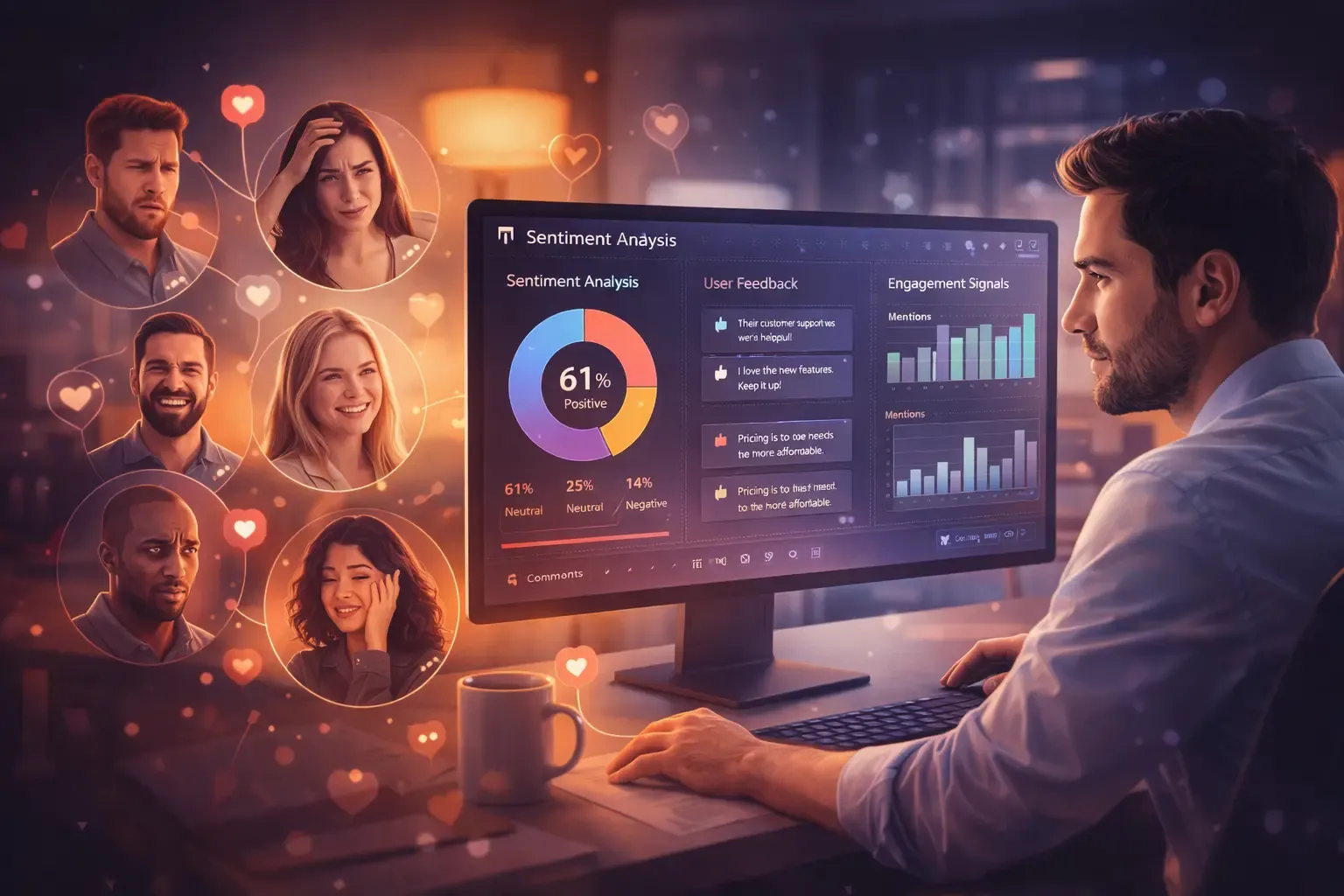
Marketing is no longer just about data, tools, and automation. It is about understanding people.
In a world dominated by AI and algorithms, the brands that stand out are the ones that feel human. This is where empathy in marketing becomes a powerful advantage.
Empathy allows marketers to connect with audiences on a deeper level, creating trust, loyalty, and meaningful engagement. While technology continues to evolve, the ability to understand human emotions remains irreplaceable.
What Is Empathy in Marketing?
Empathy in marketing is the ability to understand and share the feelings, needs, and perspectives of your audience.
It goes beyond demographics and data. It focuses on:
- emotions
- motivations
- challenges
- real-life experiences
Empathetic marketing is about seeing the world from your customer’s point of view.
Why Empathy Matters More in 2026
The digital landscape is crowded and competitive. Users are constantly exposed to ads and content.
What has changed
- audiences are more aware and selective
- trust in brands is harder to build
- AI-generated content is everywhere
- users crave authenticity
Empathy helps brands cut through the noise by creating genuine connections.
The Psychology Behind Empathy in Marketing
Human decisions are driven by emotions more than logic.
Key psychological factors
- emotional connection influences buying decisions
- trust reduces hesitation
- relatability increases engagement
- personalization improves satisfaction
When users feel understood, they are more likely to engage and convert.
How Empathy Improves Marketing Performance
Empathy is not just a soft skill. It directly impacts results.
Key benefits
- higher engagement rates
- improved customer retention
- stronger brand loyalty
- better conversion rates
- more meaningful customer relationships
Empathy turns marketing into a two-way connection instead of a one-way message.
Signs Your Marketing Lacks Empathy
Many brands focus too much on selling and not enough on understanding.
Warning signs
- generic messaging
- overly promotional content
- ignoring customer feedback
- lack of personalization
- poor user experience
If your content feels robotic, it likely lacks empathy.
How to Build Empathy in Your Marketing Strategy
Empathy can be developed with the right approach.
1. Understand Your Audience Deeply
Go beyond basic data.
Methods
- customer interviews
- surveys and feedback
- social media listening
- behavior analysis
Understanding your audience is the foundation of empathetic marketing.
2. Create Customer Personas with Emotions
Personas should include emotional insights.
Include
- goals
- frustrations
- fears
- motivations
This helps you craft more relatable messaging.
3. Use Real Language, Not Marketing Jargon
Speak like your audience.
Tips
- keep language simple
- be conversational
- avoid technical jargon
- focus on clarity
Human language creates stronger connections.
4. Focus on Solving Problems
Empathy-driven marketing prioritizes value over promotion.
Approach
- identify pain points
- provide solutions
- educate before selling
Helping users builds trust.
5. Personalize the Experience
Personalization shows that you understand your audience.
Examples
- tailored recommendations
- personalized emails
- dynamic content
Relevant experiences improve engagement.
6. Listen and Respond
Empathy requires active listening.
Actions
- respond to comments
- address feedback
- engage with your audience
This builds stronger relationships.
Real Examples of Empathy in Marketing
Empathy can be applied across different channels.
Content marketing
Creating helpful, informative content that addresses real problems.
Social media
Engaging with users in a genuine and relatable way.
Email marketing
Sending personalized and relevant messages.
Customer support
Providing fast, understanding, and helpful responses.
Empathy vs Data-Driven Marketing
Empathy and data are not opposites. They work best together.
Data-driven marketing
- focuses on numbers
- analyzes behavior
- tracks performance
Empathy-driven marketing
- understands emotions
- focuses on experience
- builds relationships
Combining both creates powerful marketing strategies.
The Future of Empathy in Marketing
As AI continues to grow, empathy will become even more valuable.
Future trends
- human-centered marketing strategies
- emotion-based personalization
- ethical and transparent communication
- deeper customer relationships
Technology will support marketing, but empathy will define it.
Final Thoughts
In a world driven by automation and data, empathy remains a unique human advantage.
Empathy in marketing is not just a soft skill. It is a competitive edge that helps brands connect, engage, and grow.
By understanding your audience, speaking their language, and focusing on real value, you can create marketing that truly resonates.
Because at the end of the day, people do not connect with strategies. They connect with understanding.
FAQs
What is empathy in marketing?
Empathy in marketing is understanding your audience’s emotions, needs, and challenges to create more meaningful and relevant communication.
Why is empathy important in marketing?
It helps build trust, improve engagement, and create stronger connections with customers, leading to better conversions.
How can marketers develop empathy?
By researching their audience, listening to feedback, and creating personalized, user-focused content.
Does empathy improve conversion rates?
Yes. When customers feel understood, they are more likely to trust your brand and take action.
Can empathy and data work together?
Yes. Combining data insights with emotional understanding creates more effective marketing strategies.