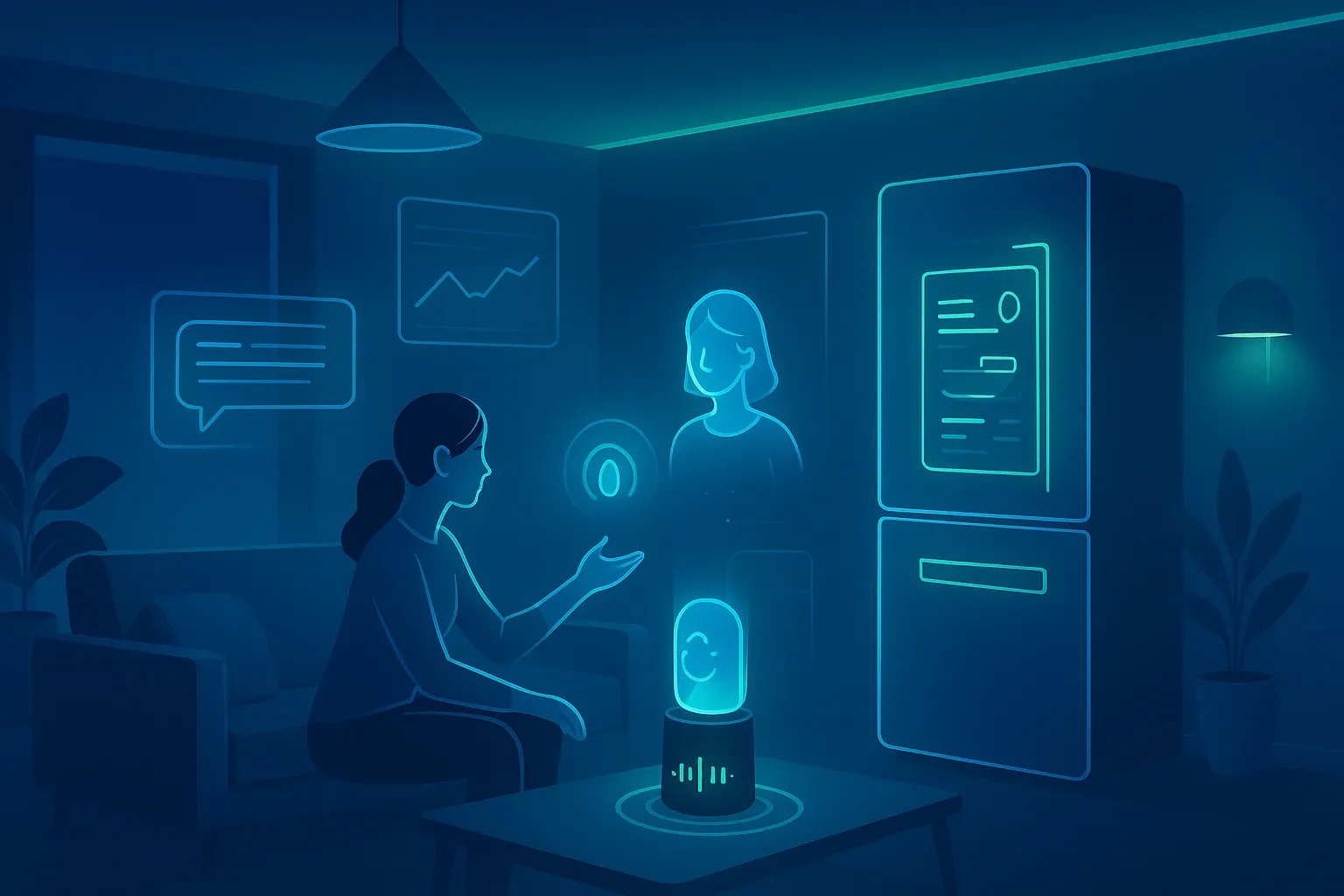
Artificial Intelligence (AI) is no longer a futuristic concept—it’s the backbone of the devices we use every day. In 2025, AI-driven devices are transforming homes, enhancing user experiences, and reimagining how people interact with technology. From smarter voice assistants to intelligent appliances and new UX design standards, the future of AI in daily life has arrived.
This blog explores how AI-driven devices are evolving in 2025, their role in reshaping homes and lifestyles, and what these advancements mean for the future of technology.
The Evolution of AI-Driven Devices
AI-driven devices began with basic automation—think smart speakers answering questions or thermostats adjusting to preferred temperatures. By 2025, these systems have matured into fully context-aware technologies.
Today’s devices don’t just respond to commands; they anticipate needs. For example:
- A smart fridge can recommend recipes based on ingredients inside.
- Voice assistants understand context and emotion, offering human-like conversations.
- Home security systems now use predictive AI to detect unusual behavior before it becomes a threat.
This leap from reactive to predictive intelligence has redefined the concept of a “smart home.”
Smarter Homes in 2025
Homes are becoming ecosystems powered by AI, where multiple devices communicate seamlessly.
Key Features of AI-Powered Smart Homes:
- Energy Optimization: AI thermostats and lighting systems dynamically adjust to reduce consumption, contributing to sustainability.
- Personalized Living: Homes adapt to individual routines, such as pre-heating the shower or adjusting lighting for mood and productivity.
- Predictive Maintenance: Appliances self-diagnose issues, alerting homeowners before breakdowns occur.
- Health Monitoring: AI-driven air purifiers, smart beds, and wearable integrations track vital signs, improving health management.
In short, homes are shifting from connected to intelligent environments, reducing friction in everyday living.
The Rise of Smarter Voice Assistants
Voice assistants have come a long way from simple task execution. In 2025, they act as personalized digital companions.
How Voice Assistants Are Changing:
- Context Awareness: Instead of rigid commands, assistants now understand layered conversations, memory, and preferences.
- Multimodal Interaction: AI integrates voice, gestures, and visual displays for seamless communication.
- Proactive Assistance: Assistants provide reminders, schedule optimization, and even health-related alerts without prompts.
- Privacy-Focused AI: With growing concerns, many devices now process data locally, reducing cloud dependency.
For many, voice assistants are no longer optional—they’re an essential part of home and professional workflows.
New UX Trends Shaping AI Devices
As devices become smarter, the way humans interact with them must evolve. UX (User Experience) in 2025 is focused on effortless interaction, accessibility, and trust.
UX Trends in AI-Driven Devices:
- Invisible Design: Interfaces are becoming less visible and more intuitive, with AI working quietly in the background.
- Emotion Recognition: Devices detect tone and facial expressions to respond empathetically.
- Voice-First Interfaces: Text and touch remain, but voice-led navigation dominates.
- Hyper-Personalization: AI tailors apps, devices, and digital spaces to the individual, blurring lines between hardware and user identity.
- Trust-Centered Design: Transparency in how AI uses data is central to earning user confidence.
These shifts highlight how UX is no longer about visuals but about creating meaningful, human-centric experiences.
Opportunities & Challenges Ahead
Like every technological leap, AI-driven devices in 2025 present both opportunities and risks.
Opportunities:
- Increased productivity at home and work.
- Improved accessibility for people with disabilities.
- Greater sustainability through optimized resource usage.
- Enhanced personalization for entertainment, shopping, and daily routines.
Challenges:
- Data Privacy: AI systems gather more personal information than ever before.
- Over-Reliance on AI: Dependence on devices could reduce human initiative.
- Bias & Ethics: AI must be carefully monitored to avoid perpetuating inequality.
- Cost Barriers: Not all households can access the latest innovations.
Balancing these dynamics will define how AI impacts society long-term.
Looking Toward the Future
By 2025, AI-driven devices are not just gadgets—they’re lifestyle companions. Smarter homes, advanced voice assistants, and new UX paradigms are shaping how people interact with technology on a daily basis.
The future of AI in devices is about harmonizing human needs with intelligent automation—creating homes that are more efficient, interfaces that are more natural, and user experiences that feel almost invisible.
As innovation continues, one thing is clear: the line between technology and everyday life is blurring faster than ever.