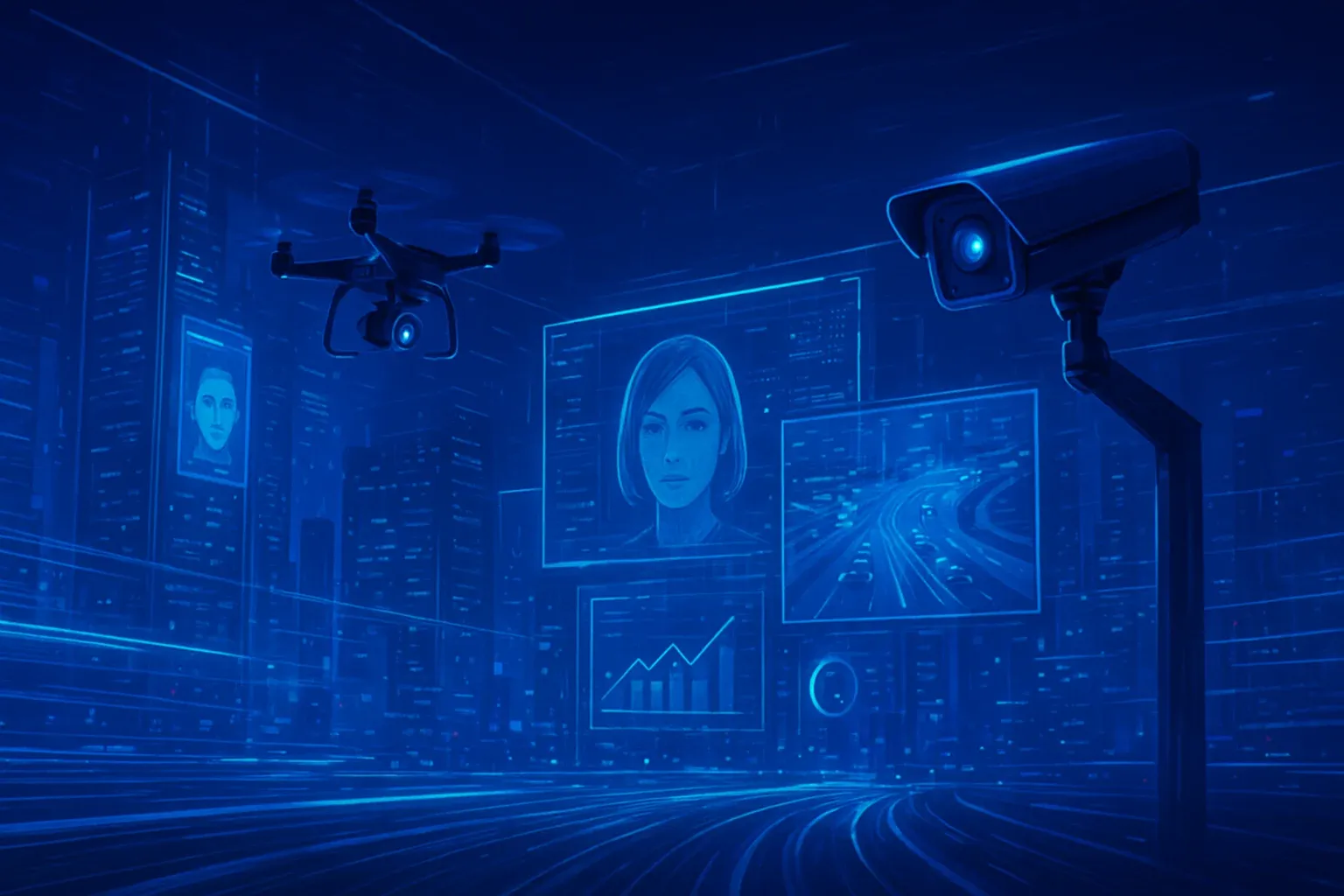
The internet is evolving from static pages and passive videos into a living, intelligent ecosystem. At the center of this evolution lies AI-driven video intelligence — technology that understands, interprets, and reacts to live video data in real time.
From smart surveillance and autonomous vehicles to interactive livestreams and dynamic marketing, AI in motion is redefining how machines and humans see the world online.
The New Wave of Video Intelligence
AI is no longer limited to analyzing still images. With breakthroughs in computer vision, edge processing, and multimodal AI, systems can now detect faces, recognize actions, and even interpret emotions from moving video feeds.
What’s revolutionary is real-time decision-making — the ability for AI to process frames instantly and trigger responses without human delay. It’s the foundation of a smarter, more responsive digital universe.
How Real-Time Video AI Works
At its core, real-time video intelligence merges three pillars:
- Computer Vision Models – Neural networks trained to recognize objects, people, and patterns.
- Edge Computing – Devices process video locally, reducing latency and cloud dependence.
- Data Streams – Continuous video feeds that update insights in milliseconds.
Together, these create “motion understanding” systems that not only see but also predict — a leap that’s driving innovation across industries.
Applications Driving the Next Internet
- Autonomous VehiclesCars rely on real-time video AI to analyze traffic, pedestrians, and road signs, making split-second decisions that ensure safety.
- Smart CitiesMunicipal systems use live video analysis for traffic flow optimization, crowd management, and emergency detection.
- E-commerce & MarketingBrands employ real-time video analytics to gauge viewer reactions and adapt ad content dynamically.
- HealthcareAI-powered cameras can monitor patient movement, detect falls, or track recovery progress remotely.
- Entertainment & StreamingInteractive broadcasts adjust visuals and captions on the fly, creating personalized viewer experiences.
The Role of Edge AI
Traditional video analytics depend on cloud processing, which introduces latency. Edge AI changes that by bringing intelligence directly to the device — whether that’s a drone, a phone, or a security camera.
This allows instant action without data ever leaving the device, improving speed, privacy, and reliability. The combination of real-time video AI + edge processing is fueling what many experts call the next phase of the internet — a fully reactive, sensory network.
Ethical and Privacy Challenges
While the technology is powerful, it also raises serious questions:
- How do we balance security with privacy?
- Who owns the data captured and interpreted by AI cameras?
- What safeguards exist against bias in computer vision?
As real-time video becomes ubiquitous, ethical AI governance will be as critical as technical innovation.
The Road Ahead
By 2026, analysts predict that over 80% of online data will be video, and a growing portion will be processed by AI systems in real time.We’re moving toward a machine-interpreted internet, where visual data fuels automation, personalization, and interaction at a scale never seen before.
The future won’t just be about what we see online — it will be about how the internet sees us.