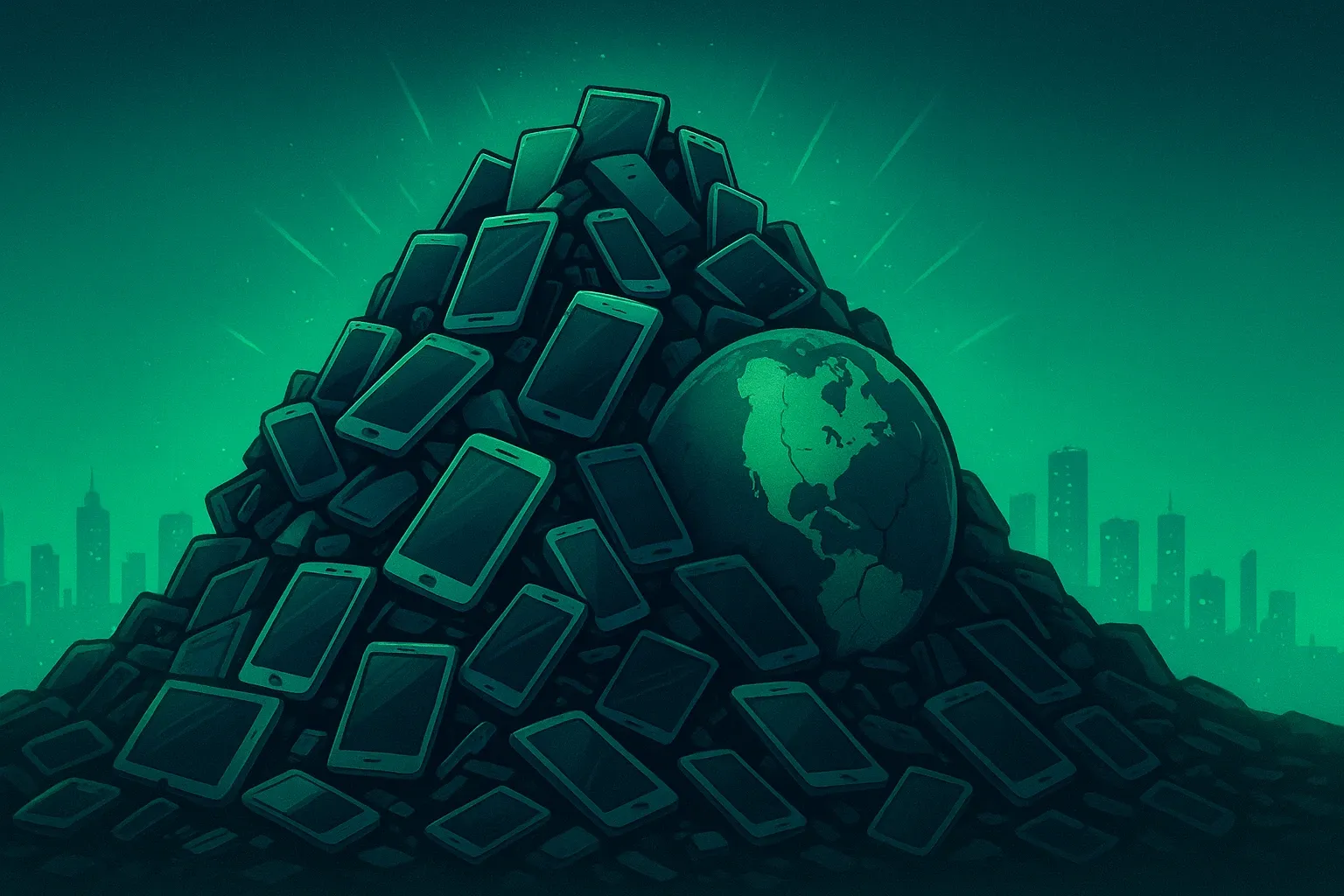
Every year, the world produces over 60 million tons of electronic waste (e-waste) — discarded smartphones, laptops, tablets, and countless other devices. By 2030, that figure is projected to climb to nearly 75 million tons, making e-waste the fastest-growing waste stream on the planet.
At the center of this crisis are technology giants who fuel a cycle of planned obsolescence, weak recycling programs, and limited repair options. While these companies often market themselves as leaders in sustainability, the reality paints a very different picture.
This article dives deep into the e-waste crisis, why tech giants are failing to live up to sustainability promises, and what solutions — from circular design to stronger regulation — could help avert a looming environmental disaster.
What Is E-Waste?
E-waste refers to discarded electronic products and components that are no longer in use. This includes:
- Smartphones, tablets, and laptops
- TVs and monitors
- Wearable devices and accessories
- Printers, PCs, and servers
- Small electronics such as headphones, chargers, and cables
Unlike many other waste types, e-waste contains a mix of valuable materials (gold, silver, copper, rare earth elements) and toxic substances (lead, mercury, cadmium, flame retardants). This dual nature makes e-waste both a resource opportunity and a hazardous threat.
The Scale of the E-Waste Problem in 2025
- The Global E-Waste Monitor reports that only 20% of e-waste is formally recycled worldwide.
- The remaining 80% often ends up in landfills or informal recycling hubs, where unsafe methods release toxins into the environment.
- In countries across Africa and Asia, illegal dumping of e-waste has created toxic waste mountains where workers dismantle devices without protection.
- Meanwhile, tech companies continue to release new product lines annually, driving rapid device turnover.
The numbers reveal a painful truth: tech innovation is accelerating environmental destruction.
How Tech Giants Contribute to the Crisis
1. Planned Obsolescence
Manufacturers frequently design products with short lifespans — whether through non-removable batteries, fragile components, or software updates that slow down older devices. This forces consumers to replace products more often, fueling e-waste.
2. Limited Repairability
Many devices are intentionally difficult to repair. Apple, for example, has faced criticism for using proprietary screws, glued components, and limited access to official repair parts. While “Right to Repair” laws are gaining traction, many tech companies still resist.
3. Greenwashing Sustainability Efforts
Tech giants often highlight token recycling initiatives or carbon-neutral pledges without addressing the core problem: device overproduction and waste mismanagement. For instance, offering trade-in credits doesn’t solve the reality that millions of devices are discarded improperly.
4. Exporting the Problem
Rather than building robust recycling systems, wealthy nations often export e-waste to developing countries. Here, unsafe dismantling spreads toxins into local ecosystems while tech companies shift responsibility away from themselves.
Why Sustainability Goals Are Falling Short
Despite ambitious pledges — carbon neutrality, recycling targets, green packaging — most companies fail to meet their sustainability goals.
- Apple highlights product recycling through its “Daisy” robot, but only a fraction of iPhones are processed this way.
- Samsung pledges eco-friendly materials but continues rapid new device releases.
- Microsoft and Dell invest in recycling but struggle with large-scale adoption.
The gap between marketing and measurable results highlights why e-waste continues to grow unchecked.
The Human Cost of E-Waste
The e-waste crisis is not just about landfills and pollution; it’s a humanitarian issue.
- In informal recycling hubs, workers — often children — burn wires to extract copper, inhaling toxic fumes.
- Contaminated soil and water near e-waste dumps have been linked to cancer, birth defects, and neurological diseases.
- Communities in Ghana, India, and China bear the brunt of toxic pollution exported from developed nations.
The ethics of tech sustainability extend far beyond environmental protection — they impact human rights and global health.
Opportunities for a Sustainable Future
Despite failures, solutions exist to reverse the e-waste crisis.
1. Circular Design Principles
Designing devices for longevity, repairability, and recyclability is the foundation of sustainable tech.
- Easily replaceable batteries
- Modular components
- Durable materials
Fairphone is an example of a company pioneering modular, sustainable design.
2. Right to Repair Movement
Stronger laws forcing manufacturers to allow third-party and self-repairs could drastically reduce e-waste. This empowers consumers to extend product lifespans instead of replacing devices prematurely.
3. Improved Recycling Systems
Tech companies must invest in scalable, global recycling infrastructure, not small-scale pilot projects. This includes automated disassembly, advanced sorting, and e-waste collection networks.
4. Responsible Supply Chains
Sustainability also requires attention to sourcing. Rare earth mining contributes to environmental degradation; recycling materials from old devices reduces reliance on new extraction.
5. Consumer Awareness
Shifting consumer behavior is critical. Demand for longer-lasting, repairable products can pressure tech giants to reform. Transparency labels on product sustainability could drive informed choices.
The Role of Regulation in 2025
Governments are finally beginning to crack down on e-waste:
- European Union: Mandating USB-C chargers, right-to-repair rules, and extended producer responsibility.
- United States: Growing momentum for federal Right to Repair laws.
- China: Stricter regulations on e-waste imports.
But regulation needs to go further. Without global cooperation, companies may simply shift production and waste across borders.
The Future of Tech Sustainability: 2025 and Beyond
Looking forward, the future of sustainable technology depends on real accountability and innovation:
- By 2030, experts predict demand for rare earth materials will outstrip supply unless recycling improves.
- New technologies like AI-powered recycling robots could transform collection and processing efficiency.
- Public pressure is growing — sustainability is becoming a consumer demand, not just a corporate option.
If tech giants fail to change course, they risk losing trust, facing stricter regulation, and worsening environmental crises.
Conclusion
The e-waste crisis is a defining challenge of modern technology. While tech giants claim to lead on sustainability, their practices reveal a system still designed for overconsumption and disposability.
In 2025, solving this crisis requires:
- Stronger laws and global regulations
- Consumer empowerment through repair rights
- Corporate accountability beyond greenwashing
- Adoption of circular design at scale
Ultimately, sustainability cannot be a marketing slogan. Tech giants must choose between short-term profits from endless product cycles or a long-term commitment to the planet and people.
The future of technology depends on whether industry leaders are willing to confront this crisis head-on — or continue fueling it.