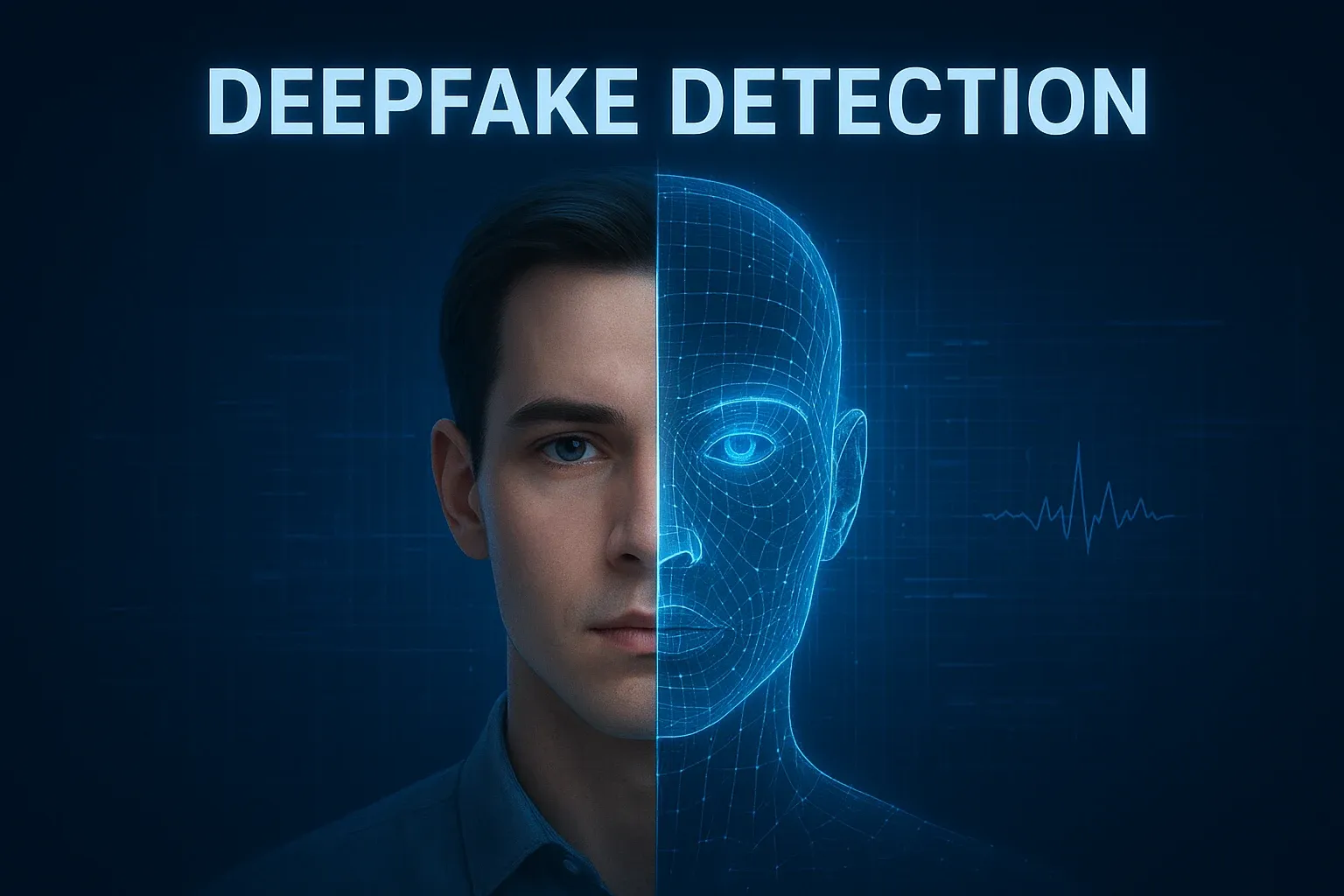
Artificial intelligence has transformed how we create and share digital content. But it has also made it easier to manipulate reality. Deepfakes — AI-generated videos, audio, and images that mimic real people — are now blurring the line between truth and deception online.
As misinformation spreads faster than ever, deepfake detection has become one of the most critical challenges of the digital age. Detecting AI-generated media is not only about technology but also about preserving digital authenticity and protecting public trust.
What Exactly Is a Deepfake?
A deepfake is a piece of synthetic media generated using deep learning and artificial intelligence. These models, especially Generative Adversarial Networks (GANs), are trained to create hyper-realistic visuals or voices that appear authentic.
At first, deepfakes were used for harmless entertainment. But today, they are capable of spreading false information, impersonating individuals, and influencing opinions. The danger lies in how real they look — even professionals sometimes cannot tell the difference between a genuine video and a fake one without specialized tools.
This growing threat makes AI deepfake detection an essential technology for every digital platform, newsroom, and security system.
Why Deepfake Detection Is Urgently Needed
Digital information spreads across the internet at lightning speed. A single fake video can reach millions before it is debunked. This not only damages reputations but also fuels political misinformation, scams, and data fraud.
Deepfake detection plays a vital role in preventing these problems by ensuring that people, governments, and organizations can trust what they see and hear online. The goal is simple — restore digital authenticity by confirming what’s real and exposing what’s fake.
How Deepfake Detection Works
Deepfake detection uses a mix of artificial intelligence, computer vision, and digital forensics to identify manipulated content. Below are the most effective methods experts use to verify authenticity.
1. Visual Artifact Analysis
AI models scan for subtle irregularities that are invisible to the naked eye. These include mismatched lighting, unnatural shadows, or distorted reflections that reveal manipulation.
2. Audio Pattern Recognition
Deepfake voices often sound slightly off in tone and emotion. AI detection models analyze voice frequencies, pacing, and tone variations to spot generated audio.
3. Physiological Signal Detection
Human faces contain tiny signals like heartbeat-based color shifts or microexpressions. Deepfake detection systems analyze these signals to verify that a human, not an algorithm, created the video.
4. Metadata and Provenance Tracking
Digital forensic tools check image and video metadata to track when and how the file was created. Any inconsistency in timestamps or editing trails can flag possible tampering.
5. Blockchain Verification
Blockchain adds a layer of authenticity by recording original content creation data. Once a video or image is registered, it becomes easier to verify if someone has altered it later.
AI vs. AI: The Battle for Authenticity
Interestingly, the same artificial intelligence that creates deepfakes is now being used to detect them. AI-powered detection tools are trained on millions of examples of both real and fake media to learn the differences.
Major companies are integrating these systems into their platforms:
- Social networks use AI to scan videos for suspicious patterns before publication.
- Media outlets verify digital evidence before reporting.
- Security agencies use deepfake detection tools to track misinformation campaigns.
As deepfake technology becomes more advanced, AI detection systems must evolve even faster to stay ahead.
How Big Tech Is Responding
Leading tech companies are investing heavily in AI deepfake detection to safeguard users and improve content authenticity.
Meta (Facebook)
Meta launched the Deepfake Detection Challenge, encouraging global researchers to create more accurate AI models for identifying manipulated videos.
Google has released open datasets of synthetic and real faces to help researchers train better detection algorithms.
Microsoft
Microsoft developed the Video Authenticator, which assigns a confidence score indicating how likely a video or image has been digitally manipulated.
These initiatives reflect one clear trend — authenticity is now a cornerstone of digital trust.
Key Challenges in Deepfake Detection
Despite rapid progress, deepfake detection faces several challenges:
- Constantly evolving AI models: New deepfake generators can bypass traditional detection methods.
- Limited training data: Detection tools need diverse datasets to identify manipulation across different demographics.
- False positives: Overly sensitive algorithms can wrongly classify real videos as fake.
- Scalability: Many detection tools work in labs but not yet at the massive scale of global social networks.
To overcome these challenges, developers and regulators must work together to create standardized authenticity protocols across the internet.
Human Oversight Still Matters
Even as detection technology advances, human judgment remains essential. AI can analyze patterns, but it cannot always understand context.
Journalists, fact-checkers, and digital investigators play a crucial role in verifying content credibility. The combination of AI detection tools and human expertise creates the strongest defense against misinformation.
Ethical Considerations in Deepfake Detection
Deepfake detection also raises important ethical questions. Should every piece of content be monitored? How do we balance privacy with authenticity verification?
Ethical AI governance ensures that deepfake detection is used responsibly. Systems must remain transparent about how they analyze content, protect personal data, and avoid censorship. Responsible governance allows deepfake detection to protect truth without overstepping into surveillance.
Deepfake Detection and Digital Trust
Deepfake detection is more than a cybersecurity issue — it’s the foundation of digital trust.In the future, every digital file may include a signature of authenticity embedded directly in its data. This could become as common as SSL certificates for websites today.
Emerging trends in authenticity include:
- AI watermarking for verified original content.
- Cross-platform authenticity standards for media verification.
- User education about recognizing fake content and verifying sources.
As these tools mature, we move closer to a world where truth in media can once again be verified with confidence.
The Future of Deepfake Detection
The next generation of deepfake detection systems will combine multiple technologies:
- Real-time analysis of streaming content.
- Decentralized verification through blockchain networks.
- Integrated authenticity labels for videos and photos across platforms.
These advancements will make it possible to verify media instantly, ensuring that AI forensics becomes a natural part of digital life.
Ultimately, deepfake detection will not just stop fake media — it will redefine how we confirm reality online.
Conclusion
Deepfake detection is the cornerstone of maintaining digital authenticity in an AI-driven world. As synthetic media becomes more realistic, the tools that protect truth must become smarter, faster, and more transparent.
The future of digital communication depends on our ability to trust what we see and hear. Through ethical AI, collaboration, and innovative detection technologies, we can preserve authenticity and safeguard the truth in the age of artificial intelligence.