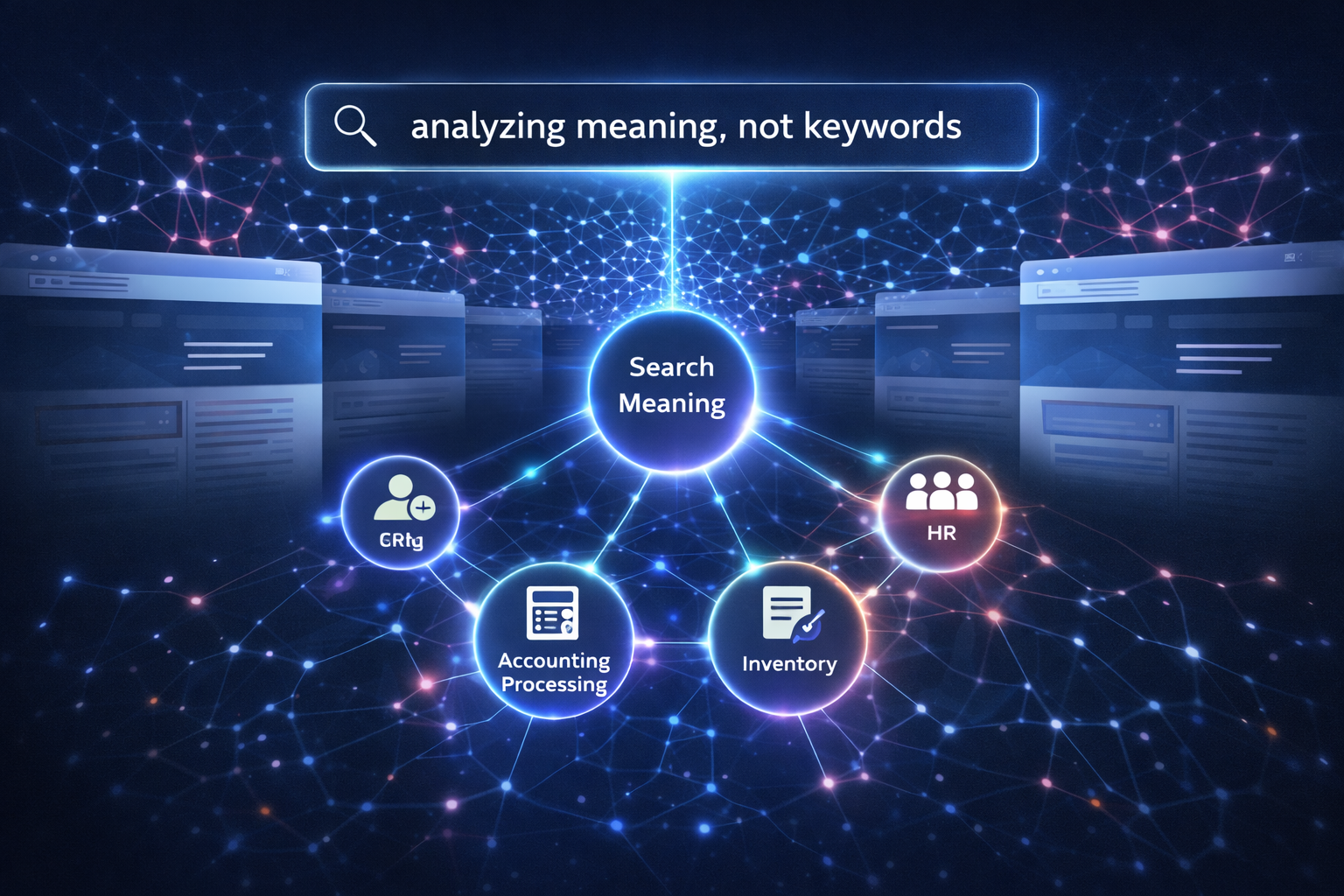
Search engines once depended almost entirely on matching words. If a page repeated a keyword often enough, it often ranked.
That era is over.
Modern search platforms now evaluate meaning, intent, and topical depth rather than isolated phrases. This evolution has introduced what many researchers and marketers call Context Rank.
Context Rank refers to AI-driven ranking systems that analyze the underlying meaning of content instead of focusing on surface-level keyword usage. These systems understand relationships between ideas, entities, and user goals, then rank pages that best satisfy real questions.
This article explains how Context Rank works, why it matters, and how website owners can adapt to meaning-based search.
What Is Context Rank?
Context Rank describes a ranking approach where search engines evaluate content semantically rather than lexically.
Instead of asking whether a page contains specific words, the system asks whether the page fully answers what the user means.
To make that judgment, Context Rank models interpret topic coverage, entity relationships, query context, intent signals, and language nuance. This approach allows engines to surface useful content even when the wording differs dramatically from the original search.
Why Search Engines Moved Beyond Keywords
Keyword-based ranking struggled with real language. People phrase questions differently, combine multiple goals, and search conversationally. Rigid word matching could not keep up.
Context Rank improves relevance by handling ambiguity, voice queries, multilingual phrasing, and long-tail searches more effectively. Ranking by meaning reduces the need for repeated refinements and delivers satisfying results faster.
How Context Rank Works Behind the Scenes
Several AI systems collaborate to enable meaning-based ranking.
Natural Language Processing Models
Modern transformer models convert text into vector representations that capture ideas rather than surface words. These embeddings allow systems to compare concepts, sentiment, and question types, even when vocabulary changes.
Entity Recognition and Knowledge Graphs
Context Rank depends heavily on entities such as people, products, companies, locations, and technologies. Knowledge graphs map relationships among them so engines can disambiguate terms like “Jaguar,” “Python,” or “Apple earnings” before ranking begins.
Intent Classification
Search engines categorize queries into informational, navigational, transactional, or comparative intent. Context Rank evaluates whether a page matches that underlying goal rather than simply repeating query terms.
Topical Modeling
AI systems analyze how completely a page covers a subject. They examine whether it explains definitions, subtopics, examples, limitations, and related questions. Pages demonstrating topical authority outperform thin keyword-focused content.
Context Rank vs Traditional Keyword Ranking
The difference between older systems and meaning-based ranking is dramatic.
Traditional approaches emphasized exact phrasing, rewarded repetition, and struggled with synonyms or conversational language. Context Rank focuses on interpretation, paraphrasing, topic depth, and entity connections. This shift discourages manipulation and elevates genuinely helpful content.
The Role of Semantic Search in Context Rank
Semantic search forms the backbone of Context Rank. Instead of indexing documents only by words, modern engines index them by concepts.
This allows platforms to retrieve answers for conversational queries, interpret voice searches, expand ambiguous requests automatically, and surface related topics users did not explicitly ask for.
How User Behavior Supports Context Rank
Meaning-based ranking does not operate in isolation.
Signals such as dwell time, scrolling depth, session completion, and query reformulation help confirm whether a page actually satisfied user intent. When people stop searching after reading, the system learns that the content delivered meaning rather than surface-level matches.
Real-World Examples of Context Rank in Action
Context Rank already shapes everyday digital experiences.
Voice assistants rely on meaning-based ranking to answer spoken questions. Local searches depend heavily on time, location, and intent context. Medical and legal queries prioritize authoritative explanations rather than keyword-heavy pages. Product research searches trigger guides and comparisons instead of thin product listings.
How Context Rank Changes SEO Strategy
Context Rank forces a shift away from keyword obsession.
Modern optimization focuses on covering topics thoroughly, writing naturally, answering real questions, structuring pages clearly, and strengthening entity relevance. Pages written for humans consistently outperform those designed only for algorithms.
How to Optimize Content for Context Rank
Write for Intent First
Identify what users want to accomplish and build pages around that goal.
Cover the Topic Completely
Include definitions, benefits, use cases, risks, examples, and FAQs to demonstrate authority.
Use Natural Language
Avoid forced repetition. Synonyms and conversational phrasing help AI understand meaning.
Structure Content Clearly
Logical H2 and H3 headings allow crawlers to map topic flow and improve skimmability.
Strengthen Entity Signals
Mention relevant tools, industries, people, and concepts naturally throughout the article.
Challenges of Meaning-Based Ranking
Semantic systems still face hurdles. AI can misinterpret new terminology, inherit bias from training data, or produce rankings that are difficult to explain. Search engines continue refining safeguards and transparency practices.
The Future of Context Rank
Meaning-based ranking will deepen over time. Future systems may integrate multimodal signals from images and video, conversational search journeys, emotional tone detection, and long-term context across sessions.
Search will feel less like lookup and more like dialogue.
Why Context Rank Matters for Digital Publishers
Publishers who adapt gain durable visibility. Context Rank rewards expertise, completeness, clarity, and trust. Websites that build topical authority across content clusters will outperform competitors chasing isolated phrases.
Final Thoughts
Context Rank marks a fundamental shift in how websites earn rankings.
When search engines prioritize meaning over words, creators must focus on understanding users rather than manipulating algorithms. The most successful sites will be those that explain topics clearly, answer questions thoroughly, and deliver real value.