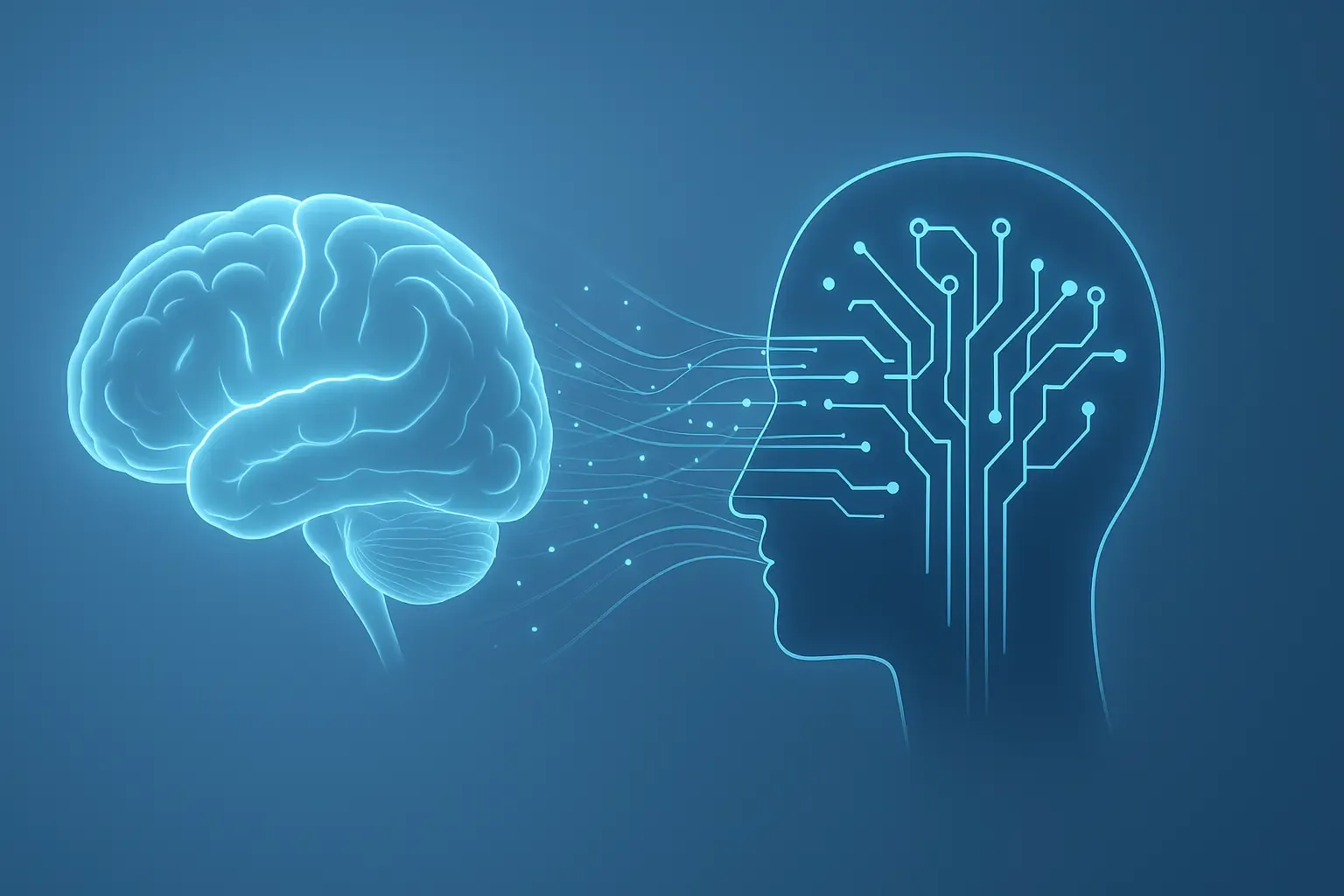
Modern life demands constant decisions, memory recall, multitasking, and information management. Between messages, notifications, deadlines, and digital clutter, our brains process more than they ever have before. This is where cognitive offloading steps in. It refers to the practice of using external tools to store information, automate tasks, and reduce mental effort. Today, artificial intelligence is taking cognitive offloading to an entirely new level by acting as a second brain that thinks, organizes, and remembers alongside us.
AI is no longer a passive tool. It actively learns about our routines, preferences, communication patterns, and workflows. As a result, it can anticipate needs, answer instantly, recall details we forget, and make decisions faster than humans. This shift has massive implications for productivity, creativity, and the way we use our minds. In this blog, we explore how cognitive offloading works, why AI enhances it, and how it will shape the future of human intelligence.
What Is Cognitive Offloading?
Cognitive offloading means shifting mental tasks onto external systems to lighten cognitive load. People already do this naturally with tools like:
- Notes and reminders
- To-do lists
- Calendars
- Photo albums
- Maps
- Search engines
The difference today is that AI tools don’t just store information. They process, interpret, and act on it. This transforms cognitive offloading from simple memory aid into augmented thinking.
Examples include:
- Asking AI to plan your schedule
- Using an AI assistant to summarize long documents
- Auto-organizing files based on context
- Getting suggestions for decisions based on past behavior
- Using AI memory tools to recall previous conversations or ideas
AI amplifies cognitive offloading by becoming an active participant in our thinking process.
Why Cognitive Offloading Is Increasing
Digital life is overwhelming. People juggle constant tasks, communication, and information across multiple platforms. Several factors make cognitive offloading with AI more important than ever:
1. Information Overload
We consume more information in a day than people did in months a century ago. AI filters, summarizes, and highlights what matters.
2. Increasing Work Complexity
Work requires rapid decisions, fast learning, and tracking dozens of micro-tasks. AI reduces context switching and handles routine thinking.
3. Attention Fragmentation
Notifications, apps, and multitasking weaken focus. Offloading helps regain mental clarity.
4. Human Memory Limits
Our memory is fallible and easily overloaded. AI never forgets, misplaces, or loses details.
5. Productivity Expectations
Today’s work pace demands efficiency. AI offloads tasks that slow humans down.
Together, these pressures make cognitive offloading not just helpful, but necessary.
How AI Acts as a Second Brain
AI enhances cognitive offloading by performing tasks that go beyond memory storage. It interprets patterns, makes predictions, and automates decisions. Here’s how:
1. Intelligent Memory Assistance
AI can store and recall information instantly. Tools like AI note apps and conversational models can remember:
- Preferences
- Plans
- Past questions
- Key details from earlier conversations
This creates a continuous memory stream across tasks.
2. Automated Decision Support
AI analyzes data faster than humans. It can:
- Suggest optimal routes
- Recommend actions
- Detect patterns in work habits
- Help evaluate choices
Instead of thinking through minor decisions, users rely on AI guidance.
3. Summarization and Compression
Long articles, reports, or chats can be summarized in seconds. This offloads the need to read everything deeply while retaining important conclusions.
4. Task and Workflow Automation
AI handles repetitive cognitive tasks such as:
- Organizing emails
- Prioritizing tasks
- Managing schedules
- Sorting documents
- Auto-tagging information
This frees the mind for higher-value thinking.
5. Context Awareness
AI systems know when to step in based on user behavior and context. They predict needs before users express them, making offloading even smoother.
Real-World Examples of Cognitive Offloading with AI
Personal Productivity
AI assistants can set reminders, structure calendars, summarize meetings, and help plan days.
Creative Work
Designers, writers, and artists use AI to brainstorm ideas, refine drafts, and explore alternatives.
Learning and Research
Students use AI tools to understand complex topics, generate notes, and review summaries.
Workplace Efficiency
Employees rely on AI to:
- Review code
- Draft emails
- Analyze reports
- Flag anomalies
- Organize workflows
Health and Wellness
AI apps track habits, suggest improvements, and reduce the mental effort of monitoring lifestyle choices.
Cognitive offloading is becoming embedded in nearly every aspect of life.
Benefits of AI-Driven Cognitive Offloading
1. Higher Productivity
With routine tasks handled automatically, humans focus on strategic, creative, and meaningful work.
2. Reduced Stress
Offloading responsibilities lightens mental pressure and prevents burnout.
3. Better Decision Making
AI provides fast, data-driven insights, improving decision quality.
4. Enhanced Memory and Recall
Users never lose track of ideas, tasks, or information because AI remembers for them.
5. More Creativity
With less cognitive burden, people have more mental space for imagination and problem-solving.
Challenges and Concerns
While cognitive offloading brings benefits, it also introduces several challenges:
1. Dependence on AI
Over-reliance can weaken natural memory and critical thinking skills.
2. Privacy Risks
Storing personal memories in AI systems requires strong data protection.
3. Accuracy Issues
If AI stores or interprets information incorrectly, it may introduce errors.
4. Loss of Mental Ownership
Some users fear that outsourcing thinking may reduce their personal agency.
5. Ethical Considerations
AI that acts like a second brain raises questions about autonomy, transparency, and trust.
These concerns need careful management as AI becomes deeply integrated with cognition.
The Future of AI as a Second Brain
The next evolution of cognitive offloading will be even more sophisticated. Future AI systems may offer:
- Continuous memory across devices and platforms
- Emotion-aware recommendations
- Personalized learning models that grow with each user
- Context-driven task automation
- Lifelogging with searchable insights from daily experiences
- Smarter personal knowledge bases that understand relationships between ideas
- Fully integrated ambient assistants that help without being asked
In time, the line between human memory and artificial memory will blur. AI will not replace human intelligence, but it will expand and enhance it.
Conclusion
Cognitive offloading is evolving into one of the most transformative shifts in how we use technology. AI allows us to offload memory, tasks, decisions, and thinking patterns onto systems that work alongside us like a second brain. By reducing cognitive load, improving productivity, and helping us think more clearly, AI enhances both intelligence and well-being.
As this trend accelerates, the future of human cognition will be shaped by how well we blend biological thinking with digital augmentation. With AI as a dependable cognitive partner, we gain the freedom to focus on creativity, meaning, connection, and problem-solving. The mind becomes lighter, and possibilities become greater.