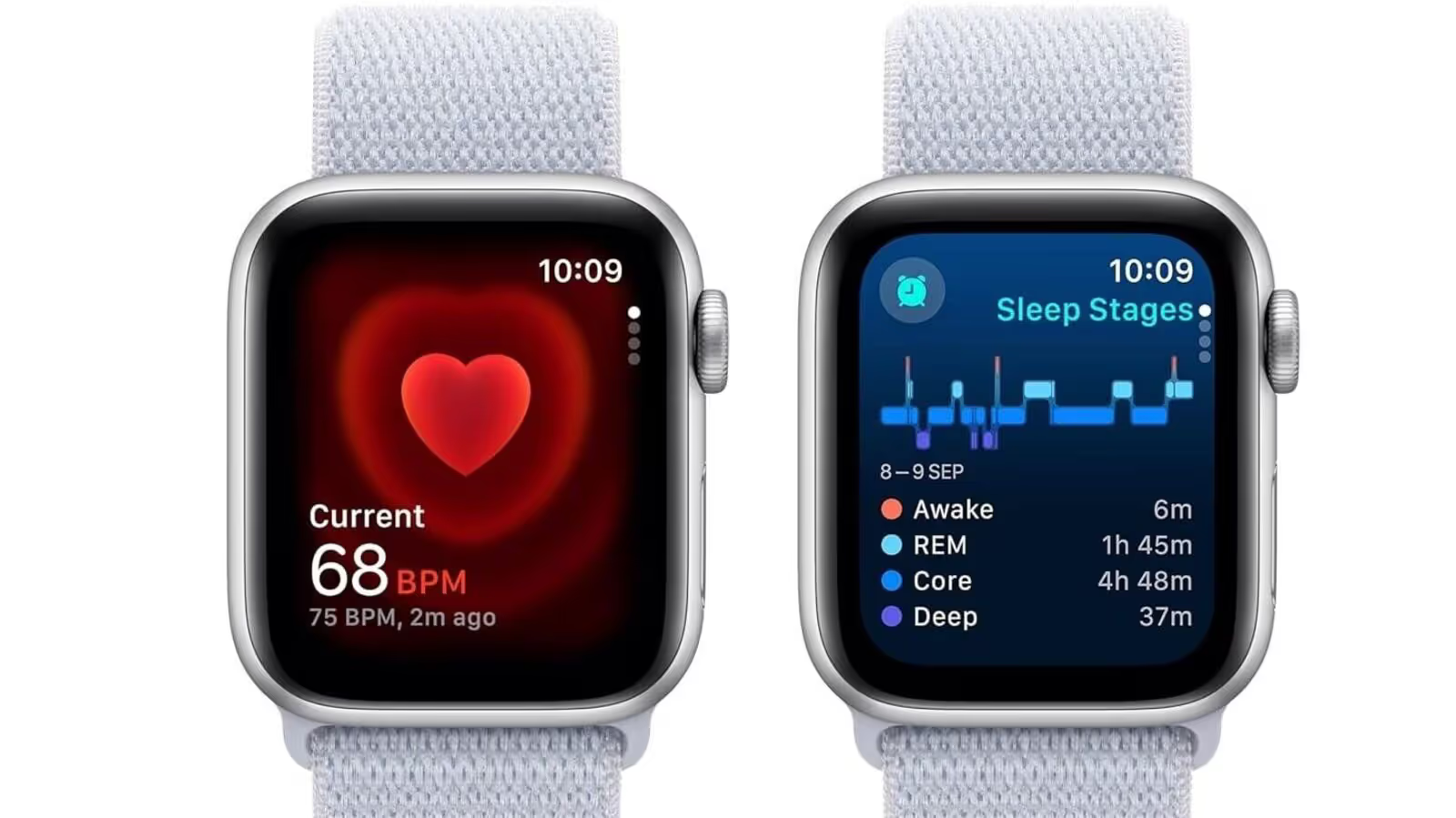
Apple’s dropping bombshells again, and this time it’s all about making your wearables smarter and more connected. In 2025, AirPods are stepping up with real-time translation to break language barriers, while Apple Watch is bringing back blood oxygen tracking after a legal saga. Powered by iOS 19 and watchOS updates, these features are set to make your iPhone, AirPods, and Apple Watch feel like indispensable sidekicks.
Why Apple’s Wearables Are Still King
Apple’s AirPods and Apple Watch aren’t just gadgets—they’re cultural icons. AirPods moved 75 million units in 2023, raking in $18 billion, more than some tech startups’ entire valuation. The Apple Watch? It’s your wrist-bound doctor, with ECG, sleep apnea detection, and fall alerts. Now, with real-time translation for AirPods and blood oxygen tracking back on the Watch, Apple’s doubling down on what makes its ecosystem unbeatable: seamless, practical innovation.
What’s the Big Deal?
Real-time translation turns AirPods into your personal interpreter, perfect for globetrotting or multilingual Zoom calls. Meanwhile, blood oxygen tracking’s return fixes a sore spot for Apple Watch users after a patent dispute sidelined it. These updates aren’t just tech flexes—they’re about making your life easier, whether you’re chatting in Tokyo or tracking your health at home.
Semantic Keywords: AirPods translation, Apple Watch health, real-time translation, blood oxygen sensor, iOS 19, Apple Intelligence, wearable tech, AirPods Pro 2, health tracking, language barriers, watchOS updates, mobile tech.
AirPods Go Polyglot: Real-Time Translation Unveiled
Picture this: you’re in a Parisian café, chatting with a local, and your AirPods translate their French into English in real time. No apps, no awkward pauses—just smooth convo. Apple’s rolling out this game-changer with iOS 19 in late 2025, and it’s poised to make AirPods a must-have for travelers and global hustlers.
How It Works
Here’s the breakdown, mobile-friendly style:
- Listen Up: Your iPhone’s mic catches foreign speech (say, Spanish).
- Brain Power: Apple Intelligence crunches it, translating to your language (like English).
- Ear On: AirPods pipe the translation directly to your ears, low-latency.
- Talk Back: Your response gets translated and played through your iPhone’s speaker.
It’s like having a UN interpreter in your pocket, but cooler. Expect support for languages like English, Spanish, French, German, and Portuguese, building on Apple’s Translate app prowess.
Which AirPods Get the Goods?
Good news: you don’t need new AirPods. The feature works with AirPods Pro 2 and AirPods 4, as spotted in iOS 26 beta 6. It’s a software update, not a hardware cash grab. But there’s a catch—you’ll likely need an iPhone 15 Pro or newer for Apple Intelligence’s processing muscle.
Why It’s a Vibe
- No New Gear Needed: Millions of AirPods users get this upgrade free.
- Ecosystem Magic: Ties into iPhone’s Translate app and Apple Intelligence for a slick experience.
- Google Who?: Pixel Buds tried this in 2017, but Apple’s polish could outshine them.
The Fine Print
Translation tech isn’t perfect. Google’s Pixel Buds struggle with slang and noisy spots, and Apple might too. X users have grumbled about the Translate app’s hiccups with regional dialects. Still, Apple’s knack for refining tech gives us hope.
Check out how Apple Intelligence is leveling up iOS apps.
Blood Oxygen Is Back, Baby!
After a messy patent fight with Masimo, Apple’s bringing blood oxygen tracking back to Apple Watch in the U.S. with iOS 18.6.1 and watchOS 11.6.1, launched August 14, 2025. It’s not the same old SpO2, but it’s a clever workaround that keeps your health data flowing.
The Drama and the Fix
Masimo’s 2023 patent win forced Apple to disable blood oxygen sensors on U.S. Apple Watch Series 9, Series 10, and Ultra 2 models sold after January 17, 2024. The hardware was there, but the software was locked. Apple’s solution? Offload the data crunching to your iPhone’s Health app, dodging Masimo’s patents while keeping the feature alive.
Why You’ll Care
Blood oxygen tracking measures SpO2, a key health metric. It’s clutch for:
- Fitness Buffs: Checking oxygen levels during high-altitude runs.
- Health Nuts: Spotting early signs of sleep apnea or lung issues.
- Data Geeks: Adding another layer to your wellness stats.
It joins Apple Watch’s health arsenal—ECG, sleep apnea alerts, and fall detection—making it a mini hospital on your wrist.
How It Stacks Up
Unlike the OG feature, which showed SpO2 on your Watch, the new setup sends data to your iPhone’s Health app. It’s less instant but still useful. Compared to Fitbit or Garmin, Apple’s ecosystem and privacy focus keep it ahead.
Dive into Apple Watch’s health features and why they’re a big deal.
Apple’s Big Picture: Health and Connection
These updates scream Apple’s mission: make wearables your go-to for health and global connection. AirPods’ translation builds on their FDA-approved hearing aid mode for AirPods Pro 2, amplifying sounds for those with hearing loss. Blood oxygen tracking’s return cements Apple Watch as a health powerhouse.
More AirPods Tricks Up Apple’s Sleeve?
Rumors are swirling about AirPods getting:
- Heart Rate Tracking: Like Beats Powerbeats Pro 2, but for AirPods.
- Temp Checks: Body temperature sensing for health insights.
- AI Smarts: Cameras for spatial audio and environmental scanning.
AirPods might soon be your all-day wearable, not just ear candy.
iOS 19: The Glue Holding It Together
AirPods’ translation is part of iOS 19, rumored to be a massive overhaul—think iOS 7-level vibes. Expect revamped apps, slicker menus, and deeper Apple Intelligence integration. Blood oxygen tracking’s return via iOS 18.6.1 and watchOS 11.6.1 shows Apple’s knack for squeezing more from existing hardware.
When’s It Dropping?
- AirPods Translation: Late 2025 with iOS 19, possibly teased in betas.
- Blood Oxygen: Live now (August 2025) for U.S. Watch Series 9, 10, and Ultra 2.
Apple vs. the World
Google’s Pixel Buds and Meta’s Ray-Ban glasses have translation, but Apple’s ecosystem and 82 million AirPods sold in 2022 give it an edge. Blood oxygen tracking puts Apple Watch back in the ring with Fitbit and Garmin, who never lost SpO2.
Apple’s Wins
- Ecosystem Flex: iPhone, AirPods, and Watch play nice together.
- Mass Appeal: Software updates bring new tricks to old devices.
- Privacy First: On-device processing keeps your data yours.
Room to Grow
- Translation Hiccups: Slang and noise could trip it up.
- Device Limits: Apple Intelligence needs newer iPhones, leaving some users out.
Tips for Mobile Users
On the go? Here’s how to make these features pop:
- Stay Updated: Grab iOS 19 for translation, iOS 18.6.1/watchOS 11.6.1 for blood oxygen.
- Check Your iPhone: Translation needs Apple Intelligence (iPhone 15 Pro or newer).
- Test in Quiet Spots: Translation works best without background noise.
- Track Trends: Use the Health app to monitor blood oxygen alongside heart rate and sleep.
The Bottom Line
Apple’s killing it with AirPods’ real-time translation and Apple Watch’s blood oxygen comeback. Translation makes AirPods your global wingman, while SpO2 tracking keeps your health in check. With iOS 19 on the horizon, Apple’s wearables are leveling up, blending style, smarts, and utility. Whether you’re crossing borders or crushing workouts, these updates make Apple’s ecosystem tougher to beat. Stay tuned for WWDC 2025 for more.
Explore the future of wearables and Apple’s next big moves.
FAQ: AirPods Translation & Apple Watch Blood Oxygen
1. When’s AirPods translation coming?Late 2025 with iOS 19, likely after beta testing (spotted in iOS 26 beta 6).
2. Do I need new AirPods for translation?Nope! AirPods Pro 2 and AirPods 4 should work with a software update.
3. Which Apple Watches get blood oxygen back?Series 9, Series 10, and Ultra 2 sold in the U.S. after January 17, 2024.
4. How’s the new blood oxygen feature different?Data’s processed on your iPhone’s Health app, not the Watch itself.
5. What languages will AirPods translate?Likely English, Spanish, French, German, Portuguese, and more—details at WWDC 2025.
6. Can other earbuds use Apple’s translation?Probably not—it’s built for AirPods and Apple’s ecosystem.
7. How good is the translation feature?Apple’s aiming for smooth, but slang and noise might be tricky, like with Google’s Buds.